Financial Marketing vs. Reality: The $1.2B Debt Controversy
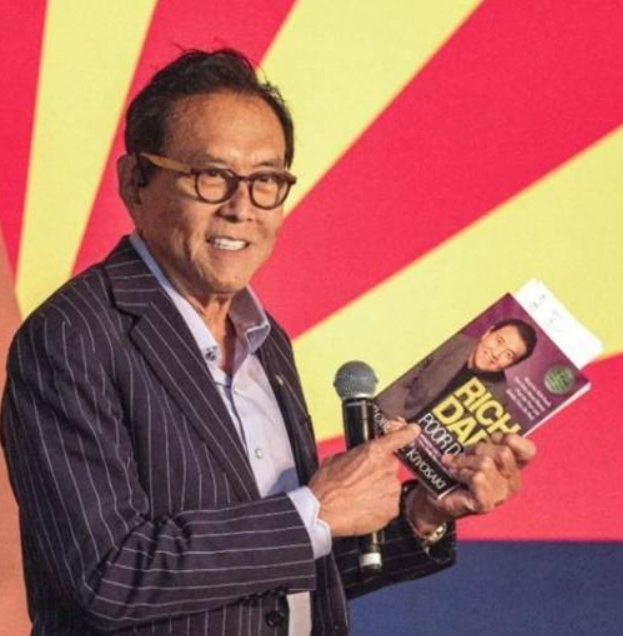
Robert Kiyosaki, the famous author behind the multi-million-copy bestseller Rich Dad Poor Dad, recently ignited a storm across financial media by boasting that he is currently "$1.2 billion in debt."
However, his ex-wife and long-time business partner, Kim Kiyosaki, quickly cleared the air, clarifying that the headline figure is a classic example of Kiyosaki's shock-value marketing rather than a sign of personal insolvency.
                     ┌────────────────────────────────────────┐
                     │     Kiyosaki Debt Structure Reality    │
                     └───────────────────┬────────────────────┘
                                         │
         ┌───────────────────────────────┼───────────────────────────────┐
         ▼                               ▼                               ▼
┌────────────────────────────────┐ ┌────────────────────────────────┐ ┌────────────────────────────────┐
│      Viral Headline Claim      │ │     Actual Personal Share      │ │      Underlying Asset Base     │
├────────────────────────────────┤ ├────────────────────────────────┤ ├────────────────────────────────┤
│ • "$1.2 Billion in Debt"       │ │ • ~$30M – $60M personal liability│ │ • ~1,500 apartment units       │
│ • Sounds like impending ruin   │ │ • Ring-fenced in isolated LLCs │ │ • Collateralized real estate   │
│ • Designed for media virality  │ │ • Non-recourse enterprise loans│ │ • Generates recurring income   │
└────────────────────────────────┘ └────────────────────────────────┘ └────────────────────────────────┘
Good Debt, Tax Offsets, and Risk Isolation
According to estimates by Vanity Fair, based on Kiyosaki's reported $3 million annual income, his actual personal equity liability sits closer to $30 million to $60 million—a small fraction of the sensationalized $1.2 billion total.
The $1.2 billion aggregate figure represents the total commercial mortgages spread across an investment portfolio of approximately 1,500 apartment units held jointly with business partners:
-
Good Debt vs. Bad Debt: Kiyosaki's core financial philosophy differentiates between consumer debt (credit cards, personal car loans) and productive debt used to purchase cash-flowing real estate assets.
-
Tax-Free Refinancing Loops: Since 1974, Kiyosaki has used a strategy of borrowing against property equity as real estate appreciates. Because loan proceeds are not classified as income, these funds are received tax-free and immediately reinvested into additional cash-flowing properties.
-
Entity Insulation: The debt is structured through independent Special Purpose Vehicles (LLCs), ensuring that if an individual property fails, lenders can only seize that specific collateral, protecting his personal wealth.
Financial Breakdown:
Kiyosaki's strategy relies heavily on non-recourse commercial loans, where the property itself acts as the sole collateral. His $1.2B debt is an enterprise metric, not personal consumer debt.
sulaa Tech & Culture Editorial: The Mechanics of Financial Content Creation
From our macro-economics and media desk at sulaa Games, Robert Kiyosaki’s debt stunt is a masterclass in modern rage-bait marketing. In the era of short-form content and financial influencers, nuance gets ignored while extreme headlines go viral. Saying "I owe $1.2 billion" instantly captures eyes, allowing Kiyosaki to pitch his standard sermon on real estate leverage and tax avoidance to a fresh audience.
Strip away the marketing drama, and what remains is a textbook commercial real estate playbook: leveraging debt to buy appreciating assets, utilizing cash-out refinances for tax-free capital, and insulating risk behind corporate structures.
However, retail investors should exercise extreme caution before copying this model. While multi-millionaires can offset debt risks using diversified property portfolios and non-recourse loans, unaccredited retail investors taking on massive debt without high liquidity risk catastrophic default when interest rates fluctuate. As always with financial gurus, separate the clickbait headline from the actual balance sheet reality.
- SEO Keywords / Tags: Robert Kiyosaki 1.2 billion debt, Rich Dad Poor Dad debt strategy, Kim Kiyosaki debt statement, good debt vs bad debt real estate, Kiyosaki real estate portfolio.